Author name: shabnam01

Blog

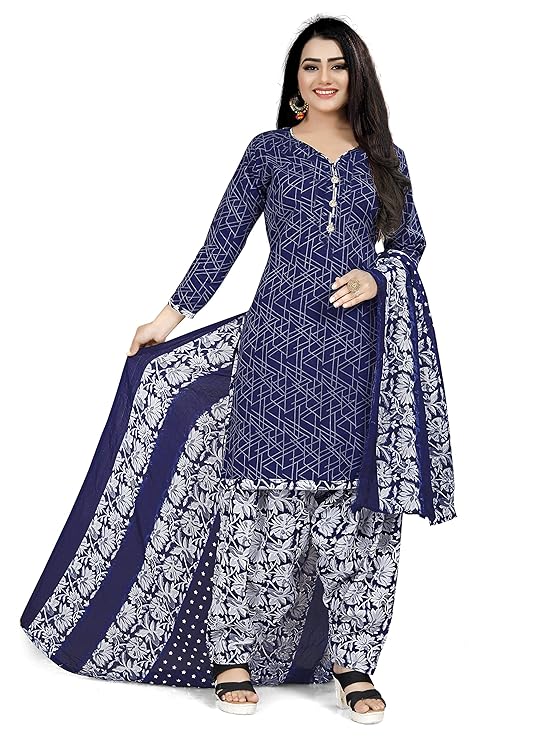
Rajnandini Women Cotton Printed Readymade Salwar Suit (Ready To Wear)

About this item Fabric : Top – Cotton , Bottom – Cotton , Dupatta -Cotton Color : Top -Blue , Bottom – Grey , Dupatta – Blue And Grey Top Length : 38 Inches / Knee Length || Bottom Length : 41 Inches || Bust Size : 46 Inches || Waist Size : 42 Inches || Hip Size : 48 Inches || Dupatta Size : 2 Meter || Sleeves Length : 17 Inches || Arm Hole : 16 Inches Shoulder Length : 15.5 Inches Package Contains : 1 Top , 1 Bottom , 1 Dupatta Type : Ready To Wear / Work : Printed Material composition 80% Cotton, 20% Polyester Length Knee Length Sleeve type 3/4 Sleeve Neck style Collared Neck Style Salwar Material type Cotton Country of Origin India

Pakistani suits

Pakistani Suits

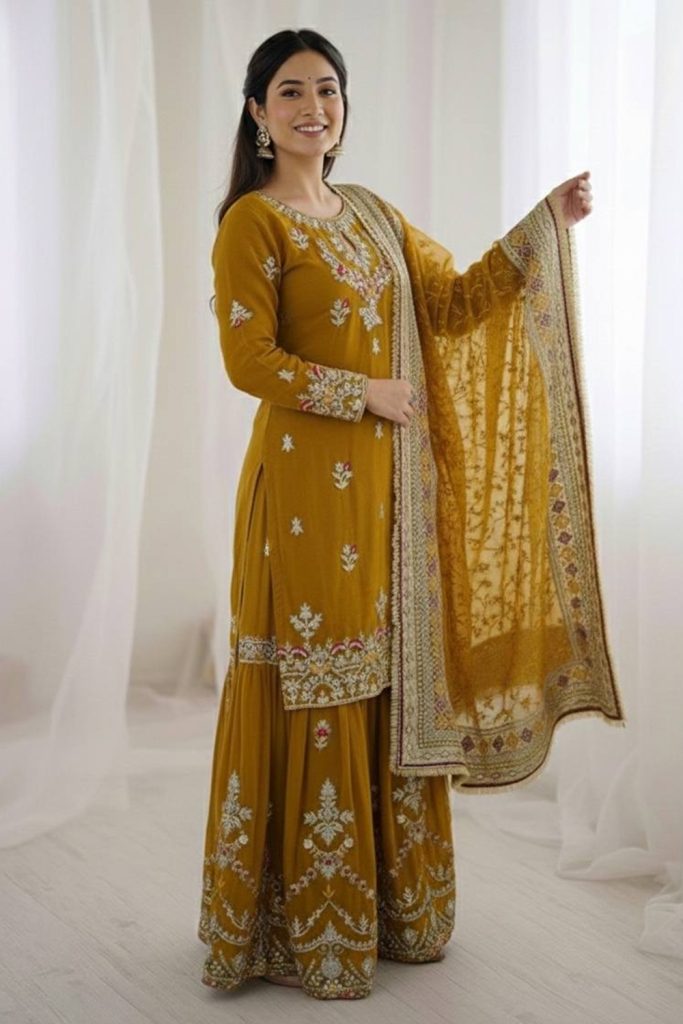
Pakistani suits are celebrated for their elegant, long-shirt silhouettes, intricate embroidery, and luxurious fabrics, featuring versatile styles from casual lawn cotton sets to heavily embellished formal wear. These outfits typically include a long tunic (kameez), tailored or baggy trousers (shalwar/pants), and a decorative dupatta.  Key Characteristics and Components Structure: Often features long, flowing shirts paired with a wide range of bottoms like palazzo pants, straight trousers, or traditional baggy salwar. Fabrics: Popular materials include breathable lawn cotton for summer, comfortable chiffon, rich silk, and luxurious velvet for winter. Embroidery/Details: Intricate work is a hallmark, including Zardozi (gold/silver thread), Tilla (metallic), threadwork, and mirror work. Key Styles: Peshawari Suits: Feature shorter kameez with wide-legged trousers. Anarkali Suits: Long, frock-style tops. Sharara Suits: Long, flared bottoms resembling a skirt. Palazzo Suits: Wide-legged, comfortable pants paired with a kameez.  Hatkay.com +5 Commonly Used Fabrics Lawn Cotton: Perfect for daily summer wear due to its breathability. Chiffon & Georgette: Common in party wear for a delicate, flowy appearance. Velvet: Often chosen for formal or winter, offering a regal look. 

Punjabi suits

punjabi suits

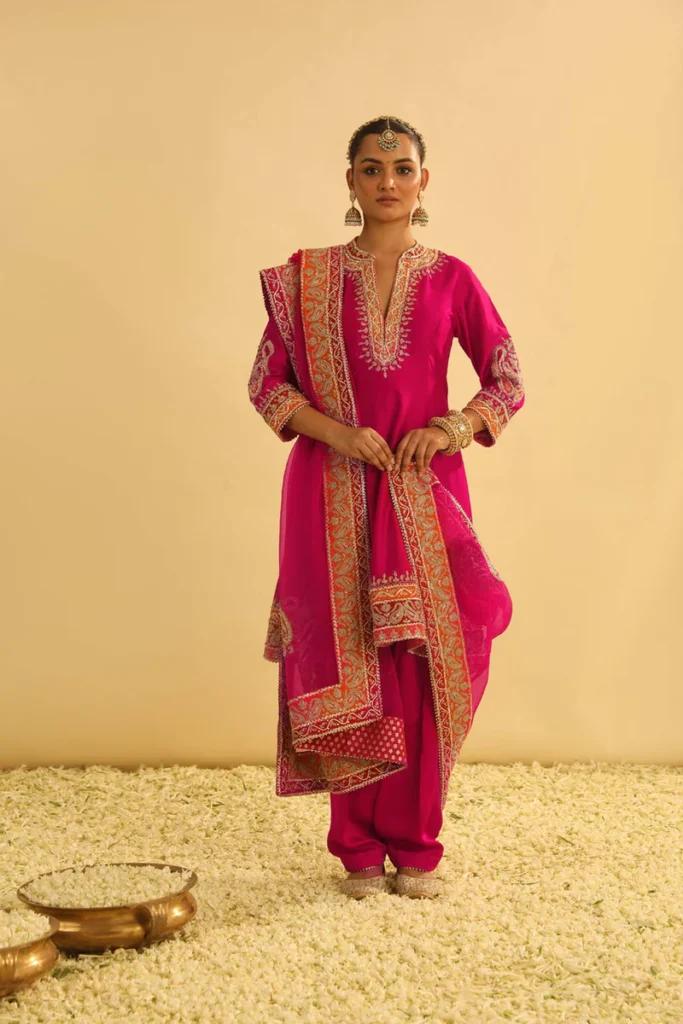
A Punjabi suit is a traditional three-piece ensemble from the Punjab region consisting of a kameez (long tunic), a heavily pleated, voluminous salwar (baggy trousers narrowed at the ankles), and a matching dupatta. Known for comfort and vibrant style, it often features intricate Phulkari embroidery, sequin work, or zari, making it popular for both daily wear and festive occasions.  Cultural Significance:The suit is a symbol of Punjabi cultural identity, reflecting joy and celebration. It is famously worn with jutties (flat footwear) and often accessorized with a parandi. Key Components and Features: Kameez (Top): Traditionally long, featuring side slits (chaak) for movement. Modern styles range from short tunics to knee-length shirts with varied necklines. Salwar (Bottom): Characterized by a wide waist with thick pleats that narrow sharply at the cuff (paunche), often designed for a voluminous, flowing look. Dupatta (Scarf): A long, often brightly colored scarf that complements the outfit, worn draped over shoulders or head for elegance and modesty.  Popular Styles and Variations: Patiala Salwar Suit: Featuring a heavily pleated Patiala-style salwar, this is the most iconic, traditional look. Frock-Style Suit: A modern variation featuring a short, flared tunic that resembles a dress. Straight-Cut Suit: A modern, sleek look with a straight kurta, offering a more contemporary, tailored silhouette. Indo-Western Styles: Often pairs a tunic with palazzo pants or adds a decorative jacket for a stylish blend.

Lahenga

Lahenga

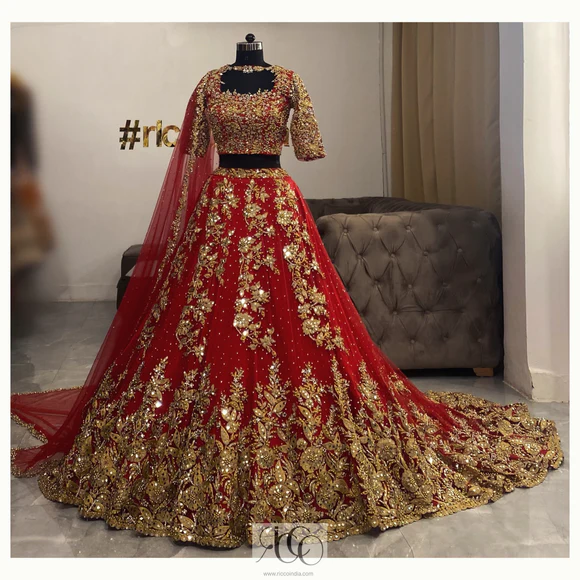
A lehenga (also known as ghagra choli) is a deeply rooted traditional attire that reflects the richness of Indian culture, craftsmanship, and evolving fashion. While it may seem like just a festive outfit, the lehenga carries layers of history, symbolism, and design complexity that make it one of the most celebrated garments for women. 🪶 Historical Background The lehenga traces its origins back to the Mughal era, when royal women wore long, embroidered skirts paired with fitted blouses and ornate dupattas. Over time, this attire spread across regions like Rajasthan, Gujarat, and North India, where it adapted to local traditions. In Rajasthan and Gujarat, it became part of everyday traditional wear, while in other regions it evolved into a garment reserved for grand occasions. 👗 Structure and Components in Depth A lehenga is more than just three pieces—it is carefully designed for both beauty and function: Lehenga (Skirt): The skirt is usually stitched with multiple panels (called kalis) to create volume. Some bridal lehengas can have up to 20–30 panels, giving a dramatic flare. The waistband may be elastic, drawstring (nada), or structured with hooks for support. Choli (Blouse): The choli is tailored to fit closely and enhance the upper body shape. It may include padding, boning, or modern cuts like off-shoulder, halter neck, or corset style. Back designs are often decorative, featuring tassels (latkans), tie-ups, or deep cuts. Dupatta: The dupatta can completely transform the look. It may be worn in multiple styles—over the head (traditional bridal), across one shoulder, or draped like a saree pallu. Bridal outfits often include two dupattas for a more regal appearance. 🧵 Craftsmanship and Regional Techniques India is known for its diverse embroidery styles, many of which are used in lehengas: Zardozi: Heavy gold embroidery, often used in royal bridal wear Gota Patti: Appliqué work using gold/silver ribbons, popular in Rajasthan Bandhani (Bandhej): Tie-dye technique from Gujarat and Rajasthan Kundan & Stone Work: Adds a jewelry-like sparkle Phulkari: Floral thread work from Punjab Mirror Work (Abla Bharat): Common in Gujarati lehengas Each technique reflects the identity of a specific region and often requires skilled handwork that can take weeks or months. 🎨 Color Symbolism Colors in lehengas are not just aesthetic—they carry meaning: Red: Marriage, love, and prosperity (traditional bridal color) Maroon: Strength and deep commitment Pink: Romance and femininity Gold: Wealth and luxury White/Ivory: Modern elegance (earlier associated with mourning, now trending in weddings) Pastels (peach, mint, lavender): Contemporary and subtle sophistication 💃 Occasions and Usage Lehengas are worn for a variety of occasions, each requiring a different style: Weddings: Heavy, embroidered lehengas with rich fabrics Festivals (like Navratri, Eid, Diwali): Bright, colorful, often lighter for comfort Engagement/Reception: Fusion or designer lehengas with modern cuts Casual/Party Wear: Minimal embroidery, lightweight fabrics

Shopping Cart
Scroll to Top